High-altitude treks above 5,000 m
10 treks that cross 5,000 m. At that height the air holds about half the oxygen it does at sea level, and the itinerary is built around letting the body catch up.
What 5,000 m asks
Above 5,000 m there is roughly half the oxygen there is at sea level. Nothing about that is dangerous in itself — plenty of people walk to these heights every season — but it changes what a trek is. Days get shorter in distance and longer in hours. Sleep is poor. Appetite goes. The walking is rarely technical; the difficulty is in arriving slowly enough that your body has kept up.
This is why the rest days in these itineraries are not padding to be cut when you are short of time. They are the mechanism by which the trek works, and removing them is the single most common way a trip ends early.
Fitness is not the thing
Altitude sickness has little to do with how fit you are, and fit people are if anything more at risk, because they can out-walk their own acclimatisation and gain height faster than is wise. What protects you is ascending slowly, sleeping low relative to the day's high point, and treating a headache that is getting worse as information rather than inconvenience.
Every trek here reaches a height where that judgement matters. Most are walks rather than climbs, needing no rope or technical skill, but all of them need the discipline to stop or go down when the signs say so.
The treks
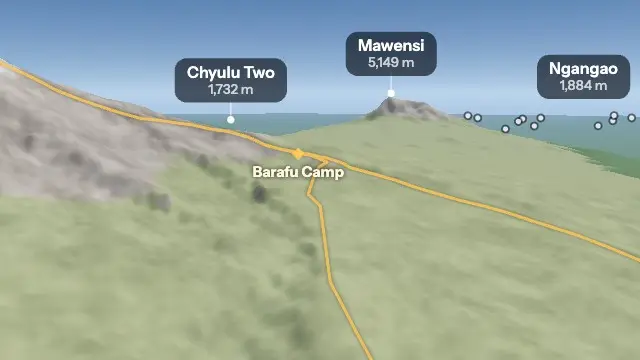
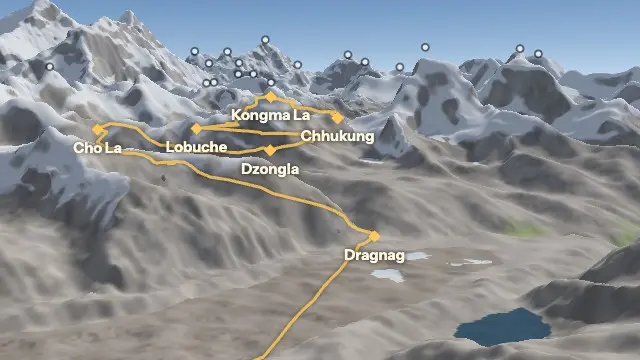
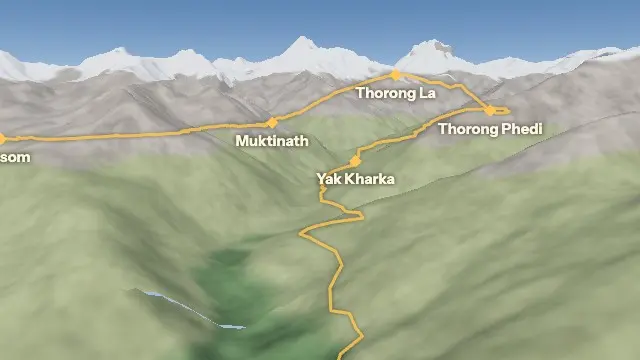
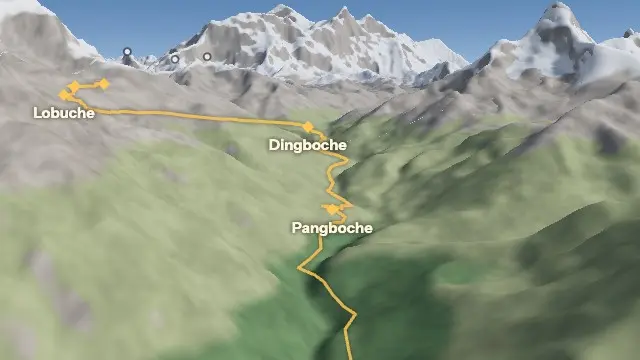
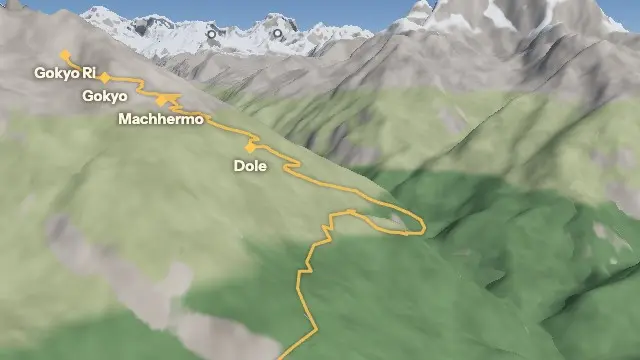
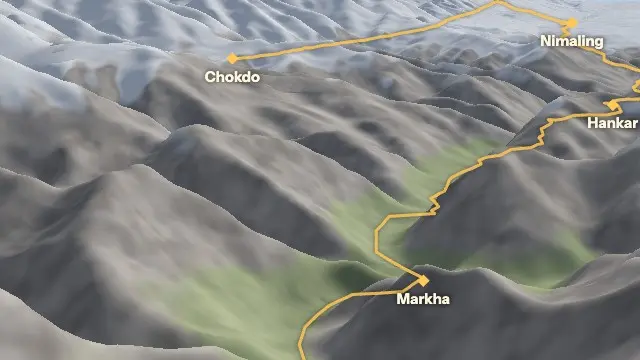
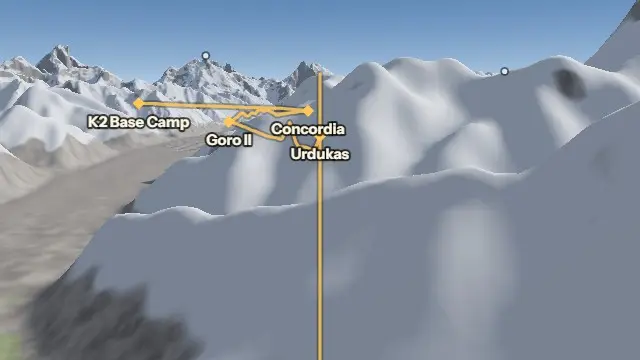
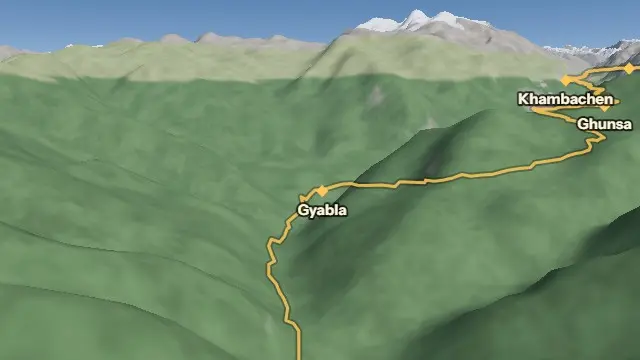
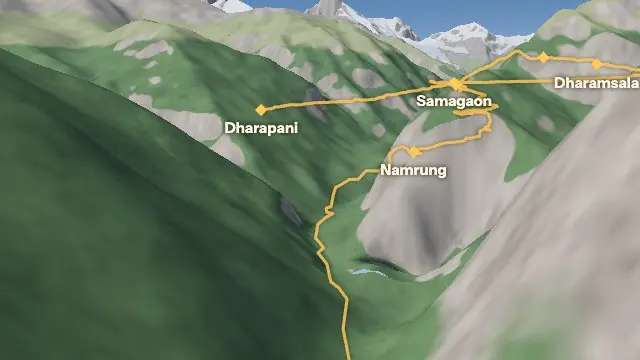
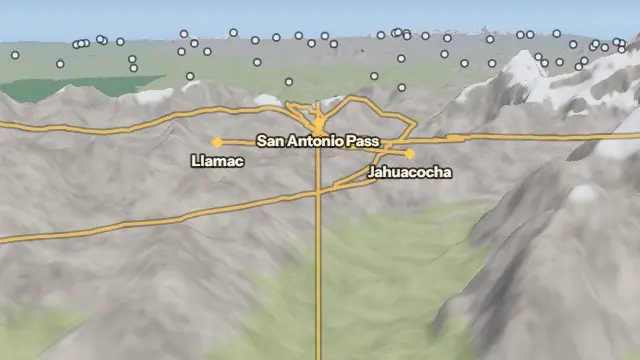
10 treks in 5 countries, the highest reaching 5,895 m on the Kilimanjaro, Machame route. Heights, distances and climbs are measured along each trail from elevation data (Terrain Tiles on AWS Open Data), so they can differ from the figures on a signpost.
Worth reading first
- Best time to trek Everest Base Camp: a season-by-season guide
- Everest Base Camp vs Annapurna Base Camp: which is right for you
- Nepal trekking permits explained: TIMS and conservation fees
- Everest Three Passes vs Base Camp: who it's for