Treks with no altitude sickness risk
23 treks that stay below 3,000 m, the altitude under which acute mountain sickness is not normally a concern. The ceiling for each is measured from elevation data, not from the itinerary's own claim.
Why 3,000 m
Altitude sickness is rare below about 2,500 m and uncommon below 3,000 m. Above that it becomes something to plan around: ascent rates, rest days, and knowing when to turn back. Every trek on this page stays under that line for its whole length, so the planning is about distance, weather and fitness — the ordinary things — and not about how your body will handle thin air.
That matters more than it sounds. Altitude is the one risk on a trek that fitness does not protect you from, that you cannot train for at home, and that can end a trip on day three with no warning. Removing it removes the part of trek planning that is genuinely unpredictable.
Who these suit
A first multi-day trek, where the point is finding out whether you enjoy walking all day for several days. Trekking with children, who often tolerate altitude worse than adults and can't always say what they're feeling. Anyone who has had altitude sickness before and would rather not find out whether it happens again. And anyone whose holiday is too short to spend days acclimatising.
None of this makes them gentle. The longest routes here run well over a hundred kilometres, and heat, remoteness and sheer daily distance do their own damage. The difficulty rating on each card is worth as much attention as it would be anywhere else.
The treks
- Camino Francés: Sarria to Santiago de Compostela
- West Highland Way
- Torres del Paine W trek
- Laugavegur trail
- Milford Track
- Laguna de los Tres trek
- Torres del Paine O Circuit
- Ciudad Perdida (the Lost City)
- Larapinta Trail
- Overland Track
- Huemul Circuit
- Kungsleden (Abisko to Nikkaluokta)
- Tongariro Alpine Crossing
- The Jotunheimen Tour
- Tre Cime di Lavaredo loop
- Grand Canyon Rim to Rim
- Tiger Leaping Gorge High Trail
- Drakensberg Amphitheatre trek
- Tour du Mont Blanc
- Half Dome hike
- Alta Via 1
- Mount Pulag: the Ambangeg Trail
- The Walker's Haute Route: Chamonix to Zermatt
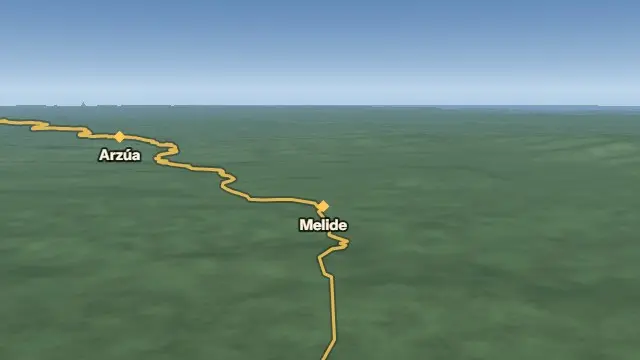
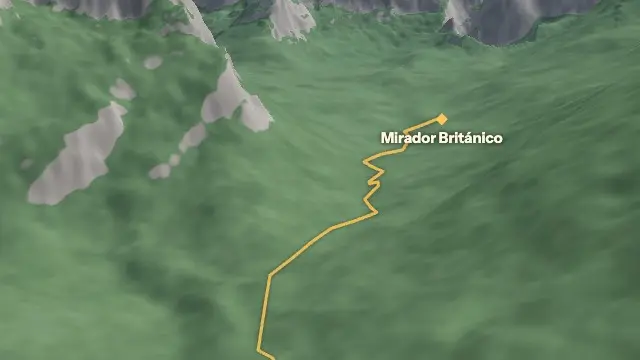
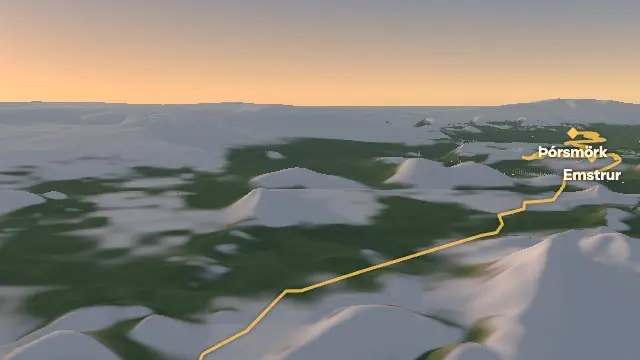
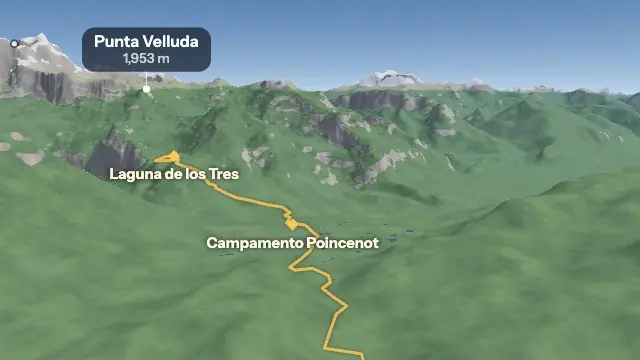
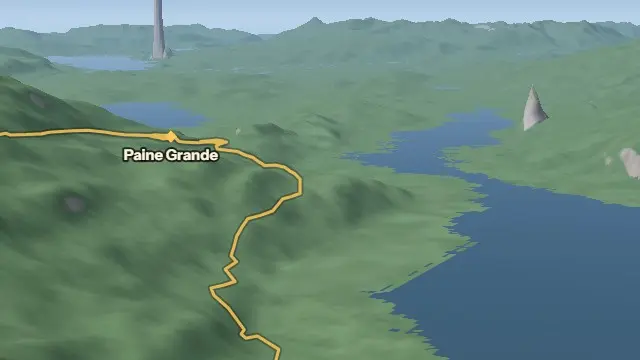
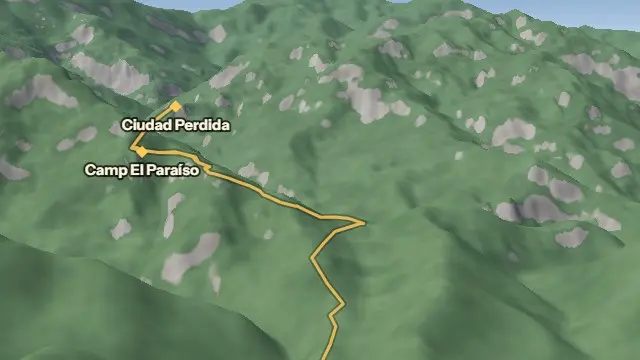
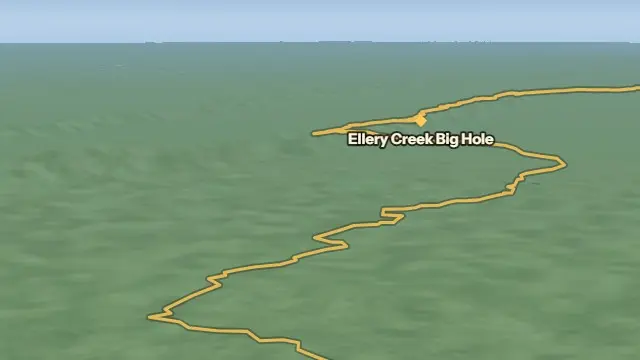
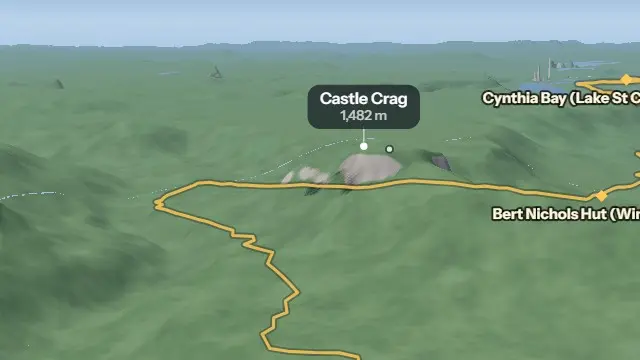
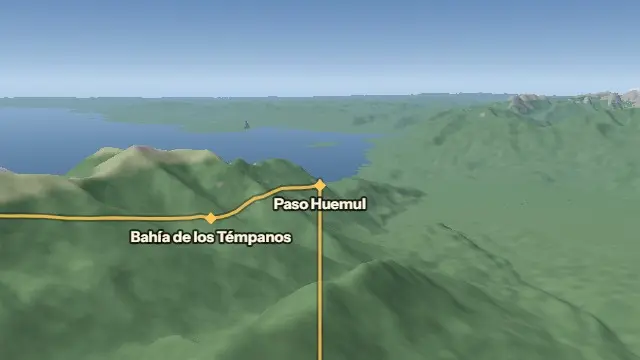
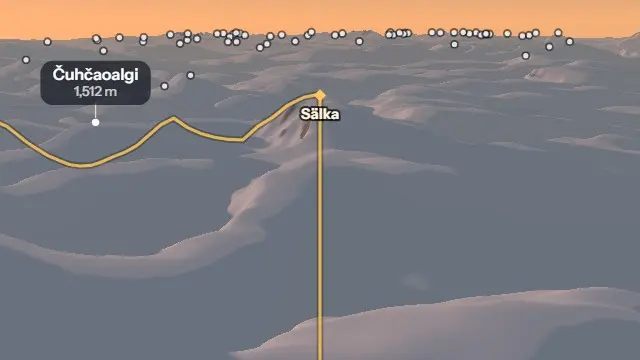
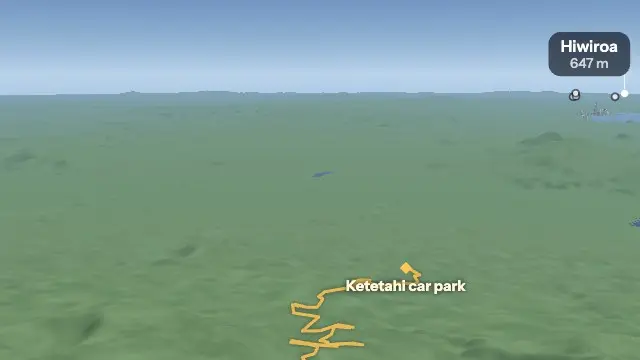
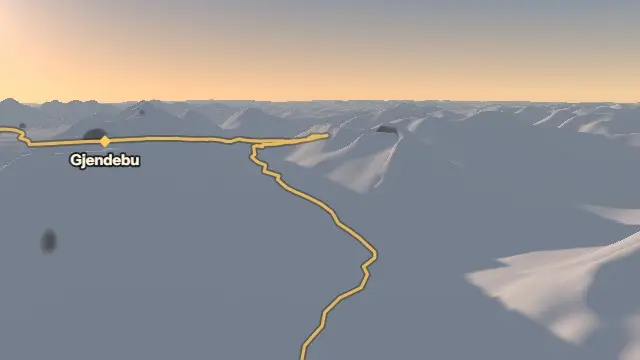
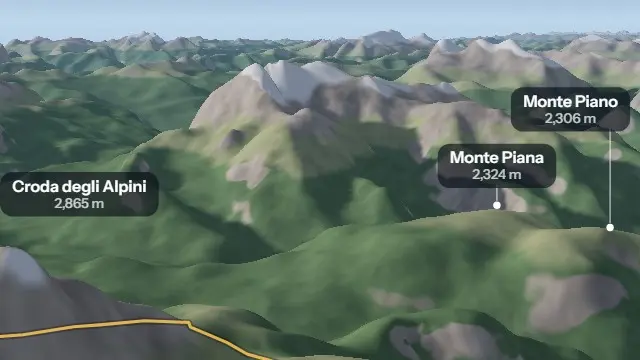
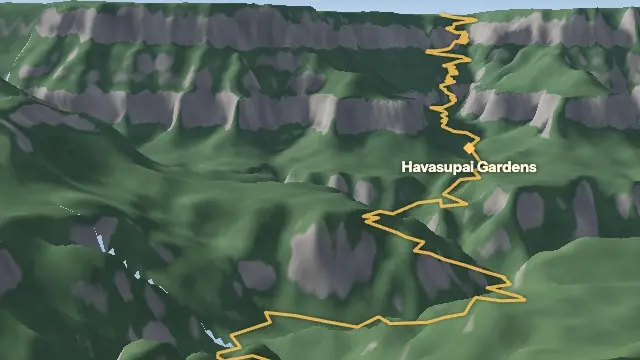
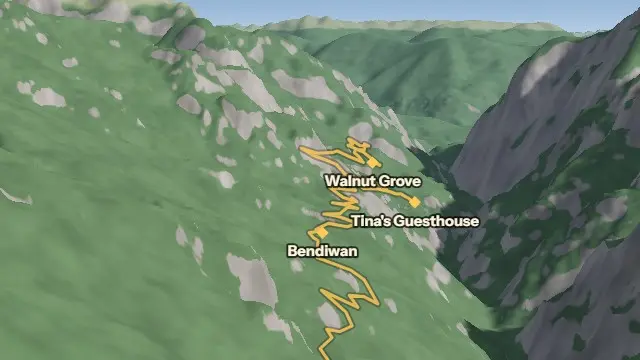
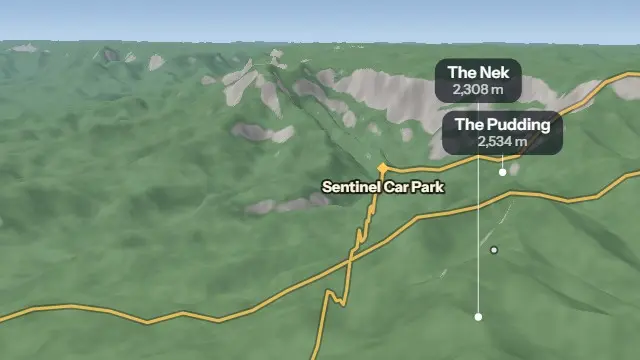
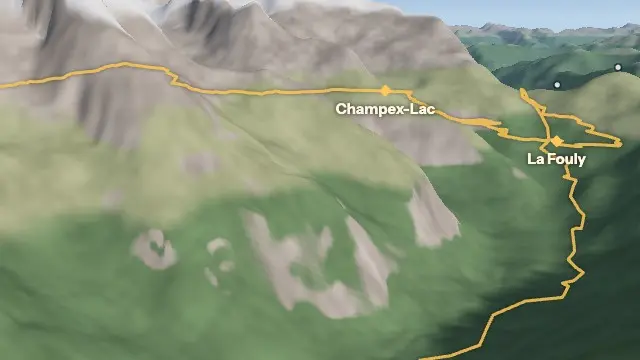
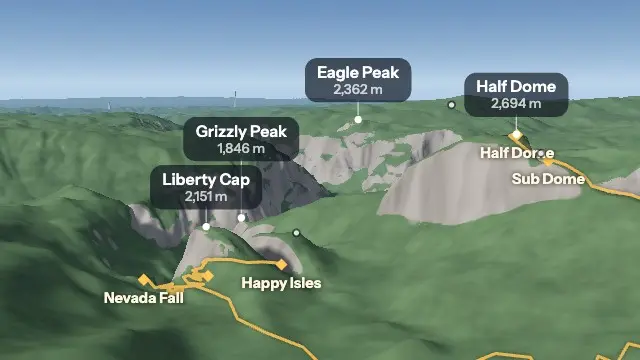
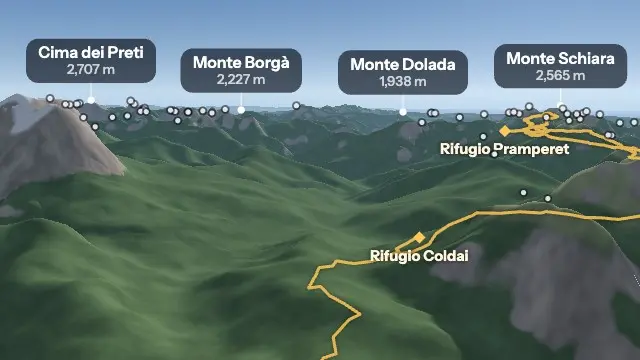
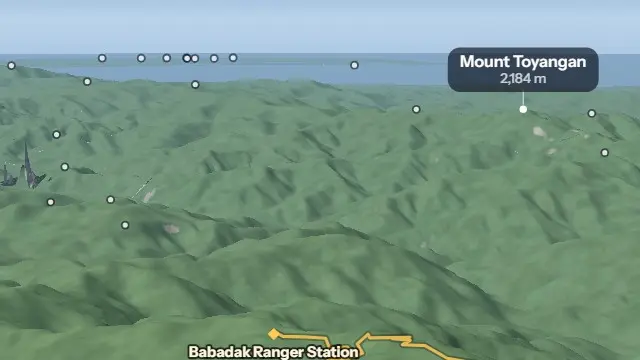
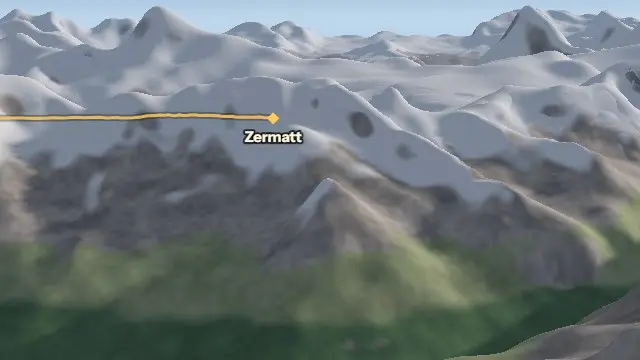
23 treks in 17 countries, the highest reaching 2,961 m on the Walker's Haute Route: Chamonix to Zermatt. Heights, distances and climbs are measured along each trail from elevation data (Terrain Tiles on AWS Open Data), so they can differ from the figures on a signpost.
Worth reading first
- Walking the Camino de Santiago: the Sarria to Santiago stretch
- Camino de Santiago or Himalayan trek: two different long walks
- The Haute Route: walking from Chamonix to Zermatt
- Torres del Paine: the W or the full O Circuit